
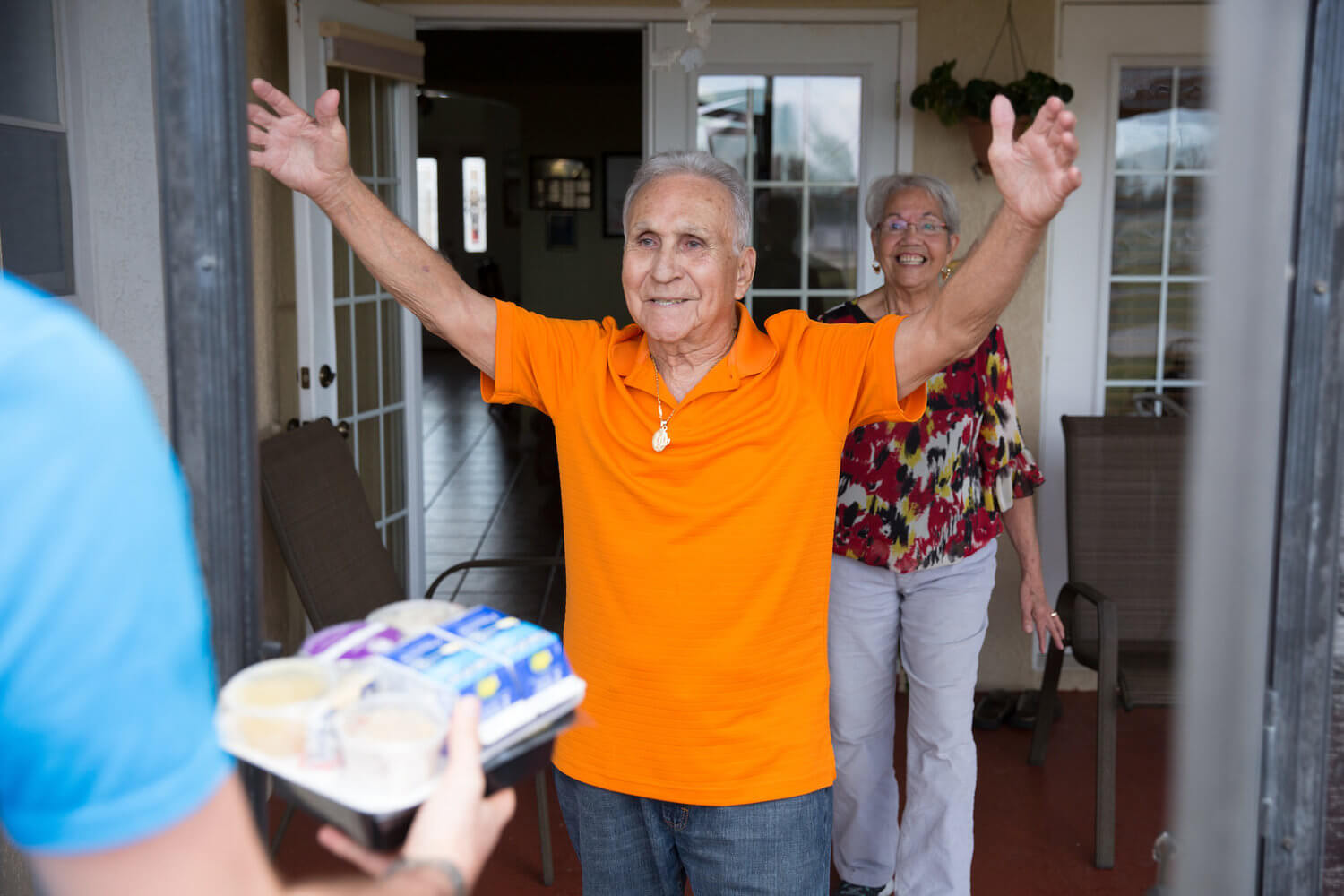
The food has to get from the kitchen to the client, fast and reliably
Whether it is a nonprofit program or a private operation, the challenge in meals delivery is always the same: the food has to get from the kitchen to the client quickly and reliably. Once it is cooked and portioned, the driving starts. It is not unusual for one route to hold 50, 60 or 70 clients, and for it to change every day.
The daily planning of those routes decides whether every driver finishes inside the time they have — or faster. It takes a lot of time, and with that many addresses there is always room to do it better.
The people out driving do not have it easy either. In the best case they have their route memorized, so they can get to everyone quickly and safely. That makes experienced drivers irreplaceable and puts the whole operation under strain the moment someone is unexpectedly out. Even a short-notice change to one route has to be communicated before the shift starts, which costs everyone involved time.
There is a second cost that does not show up on a spreadsheet: a driver who is running late is a driver who has less time at the door. For many clients that short exchange is the only contact they have that day, and it is part of the service. Time recovered from the route is time that goes back there.
Time saved and fuel not burned are costs the program does not carry
This is where the right software earns its place and takes weight off both the coordinator and the drivers. Algorithms are better suited to problems like route planning and optimization than people are. That leads to, among other things:
- less planning time in the office
- more clients per route
- less fuel burned
Everyone out on the road benefits too. Routes planned automatically in advance transfer to their phones in real time and can be used for navigation straight away. That is the end of printed sheets, spreadsheets and typing addresses into Google Maps one at a time. Everyone gets through their route faster and home sooner.
What matters as much as the optimization is what happens when the plan changes, because in meals delivery it changes constantly. Someone is in hospital, someone is back from hospital, a diet changes, a new client starts mid-week. Planning that can absorb that in a couple of clicks — rather than rebuilding the route — is the difference between software that helps and software that becomes another thing to maintain.
If you are fighting the problems above every day and want to find out whether xRouten can help with them, we would be glad to hear from you.
Try xRouten free for 14 days
Try it now